
 Image 1 of 1
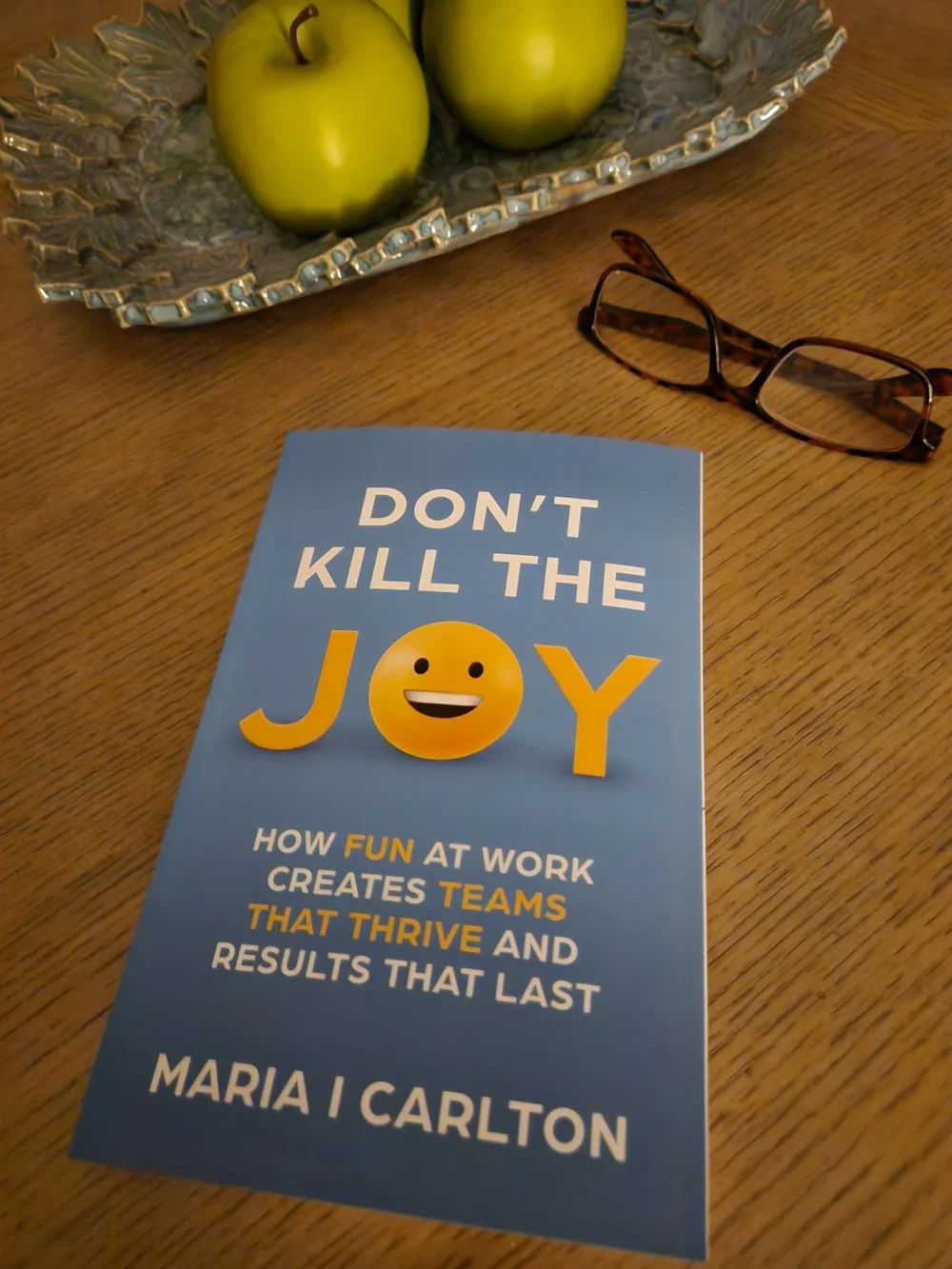
At a time when burnout is at an all-time high and workplace engagement remains low, "Don’t Kill the Joy" offers a compelling call to reimagine the workplace as a source of energy, meaning, and joy, rather than just a place for productivity and performance.
Structured into three parts, the book begins by examining the systemic and cultural dynamics that have led many organizations to become joyless and disconnected spaces. It explores the rise of hustle culture and the blurring of the line between home and work life.
Part two pivots toward action, offering individuals and leaders the opportunity to redesign work environments with intention and empathy.
Finally, in Part Three, we explore creating a legacy of joy as we look to the future. Don’t Kill the Joy is a book that challenges readers to think beyond short-term interventions and toward long-term sustainable environments where people find not only psychological safety but also purpose, connection, and fulfillment. It invites everyone who works for or leads an organization to become legacy builders and help create joyful workspaces.
Written with warmth and insights, Don’t Kill the Joy is a guidebook for those who believe work can and should be a source of well-being. It is for anyone who thinks that work is more than a place for results and wants to leave a legacy of joyful impact.
At a time when burnout is at an all-time high and workplace engagement remains low, "Don’t Kill the Joy" offers a compelling call to reimagine the workplace as a source of energy, meaning, and joy, rather than just a place for productivity and performance.
Structured into three parts, the book begins by examining the systemic and cultural dynamics that have led many organizations to become joyless and disconnected spaces. It explores the rise of hustle culture and the blurring of the line between home and work life.
Part two pivots toward action, offering individuals and leaders the opportunity to redesign work environments with intention and empathy.
Finally, in Part Three, we explore creating a legacy of joy as we look to the future. Don’t Kill the Joy is a book that challenges readers to think beyond short-term interventions and toward long-term sustainable environments where people find not only psychological safety but also purpose, connection, and fulfillment. It invites everyone who works for or leads an organization to become legacy builders and help create joyful workspaces.
Written with warmth and insights, Don’t Kill the Joy is a guidebook for those who believe work can and should be a source of well-being. It is for anyone who thinks that work is more than a place for results and wants to leave a legacy of joyful impact.